
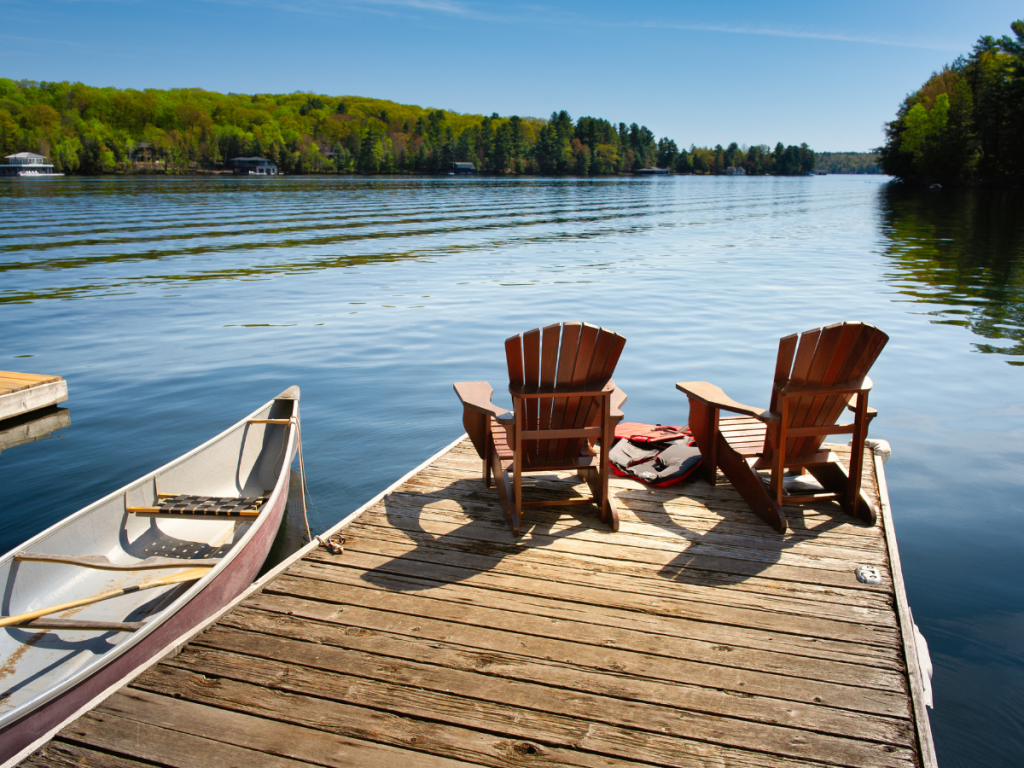
There’s something magical about owning a home right on the water. Waking up to the sound of waves, sipping coffee with a view of the lake, and feeling like you’re on vacation every single day, it’s easy to see why waterfront homes top so many people’s dream-home wish lists.
But before you fall in love with the idea of lakeside living, there’s one big reality check to consider: shoreline erosion.
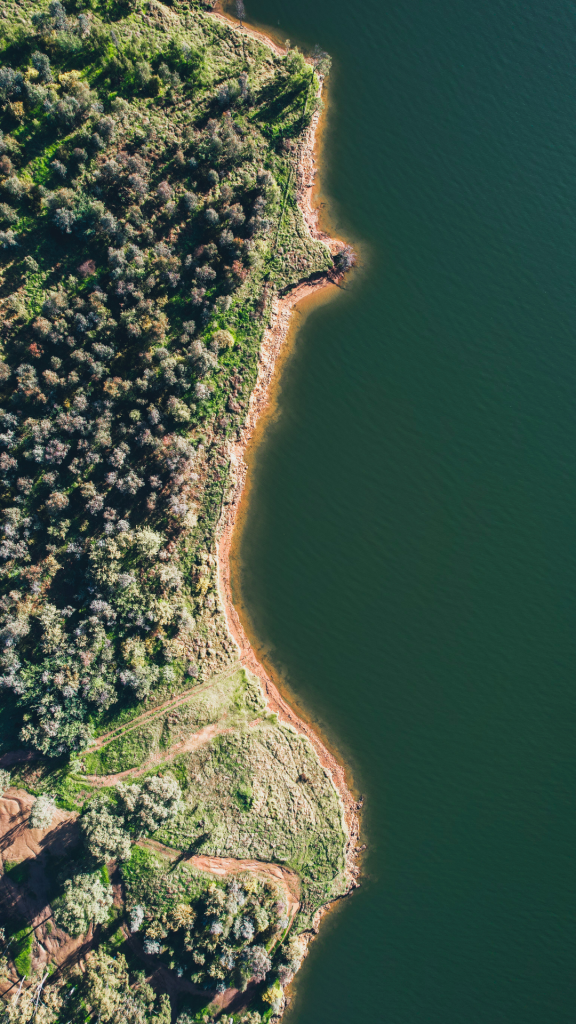
Here in Ontario, and especially in rural communities like ours, climate change is shifting more than just the weather. We’re seeing increased risks of flooding, changing water levels, and serious shoreline erosion that can affect everything from property value to safety. In some cases, homes have literally slipped into the water. Not exactly the dream you had in mind, right?
That doesn’t mean a waterfront property isn’t worth considering—it just means you need to go in with your eyes (and ears) wide open. So if you’re dreaming of a shoreline home, here’s what you really need to know:
1. Insurance Isn’t a Given — So Shop Around
Not all home insurance policies cover waterfront properties the same way. In fact, many standard policies exclude damage caused by erosion, flooding, or shifting foundations. Before making an offer, talk to multiple insurers about what’s available, and ask detailed questions about what is and isn’t covered. You may also face higher premiums or need to meet extra conditions to get approved.
2. Bring in the Pros Before You Buy
A beautiful view can distract even the savviest buyer, but you must dig deeper…literally. Get a structural engineering report and a geotechnical or geological survey done on the property. These reports will help you understand how stable the land is, how far the home is from the high-water mark, and whether future erosion could threaten your investment in the coming years
3. Budget for Ongoing Protection
If you do go ahead with a shoreline property, know that your costs don’t end at the purchase price. You may need to install retaining walls, shoreline reinforcements, or even consider relocating the structure further back from the water. These aren’t cosmetic upgrades, they’re about protecting your home from mother nature, and the costs can climb quickly.
4. Know the Local Regulations
Different municipalities and conservation authorities have specific rules when it comes to shoreline modifications, setbacks, and environmental protection. Make sure you understand what you can and can’t do on your property before planning any major changes. This will save you a lot of headaches (and fines) down the road.
5. Weigh the Risk vs. Reward
At the end of the day, owning a waterfront property can still be a dream come true, it just takes a little extra due diligence and long-term thinking. Understanding the risks now could save you from costly surprises later. If you’re buying for lifestyle over investment, and you’re emotionally and financially prepared to protect your piece of paradise, it might still be the perfect fit.


Join The Discussion