

You found the one. You’ve got an accepted offer (Yay, congrats!), the inspection is booked, and you’re feeling like you’re in the clear… until your inspector gives you the thumbs-up and something still feels off.
Here’s the thing: even a great home inspector can only do so much. There are some issues that simply can’t be seen, or are outside the scope of a standard inspection. That’s why it’s important to know what might be missed, and how to dig a little deeper.
1. Water Damage (and the sneaky signs of it)
Sure, obvious water stains or musty smells are red flags. But what about fresh paint covering up a ceiling stain? Or a pleasant-smelling diffuser masking a damp basement?
Internal leaks behind walls or ceilings won’t always show up during a walk-through. This is where the tools your inspector uses really matter. Does your inspector carry a thermal imaging camera (aka heat sensor) to detect temperature changes that might indicate hidden leaks or moisture buildup? If not, that leak behind the wall could go unnoticed and turn into a costly issue down the line.
2. Roof Problems That Can’t Be Seen from the Ground
Not every inspector actually gets up on the roof. In fact, some just take a look with binoculars from the sidewalk or use a ladder at the edge. But roofs are a big deal, replacing one is not cheap, and even small issues like missing shingles or lifted flashing can lead to leaks.
Some inspectors use drones equipped with high-resolution cameras to safely and thoroughly inspect every inch of the roof. This tech can make a huge difference in spotting trouble areas early, especially on two-storey homes, steep pitches, or snow-covered roofs.
If you’re booking an inspector, ask what kind of tools they use and if drone or attic access is part of their process.

3. Structural Issues Hidden Behind Drywall
Cracks in the foundation, sagging floors, rotted beams… these are serious issues, but many are hidden behind finished walls or flooring. Unless there are visible signs (like sloping floors or wall cracks), these issues might not be picked up in a general inspection.
If you suspect anything odd, doors that don’t close properly, strange noises, or shifting floors, it might be worth having a structural engineer take a closer look. Especially in older homes or rural properties with crawl spaces.
4. Electrical Concerns
A standard inspection will check outlets, breakers, and visible wiring. But they’re not opening up walls to check what’s behind the scenes. Older homes might have outdated aluminum wiring, old panels, or insufficient grounding, all of which can be serious fire hazards.
If your inspector flags anything questionable or if the home is older, it’s worth calling in a licensed electrician to assess the system more thoroughly.
5. HVAC Systems Aren’t Always Fully Checked
Heating and cooling systems are often running just fine… until they’re not. Leaks in ductwork, improper installation, or aging components aren’t always obvious.
General inspectors will usually test that the system turns on, but they’re not HVAC pros. If you have concerns (or if the furnace and A/C are older), you may want to bring in a specialist to give it a more in-depth look.
6. Pests (because they’re masters of hide-and-seek)
Unless there’s obvious evidence, pests can be easy to miss. Droppings, scratching sounds in the walls, gnaw marks, or what looks like sawdust at the base of wood framing could point to mice, squirrels, or even termites.
Your inspector may note signs of pest activity, but confirming an infestation typically requires a pest control specialist. Better to catch this early—especially before closing.
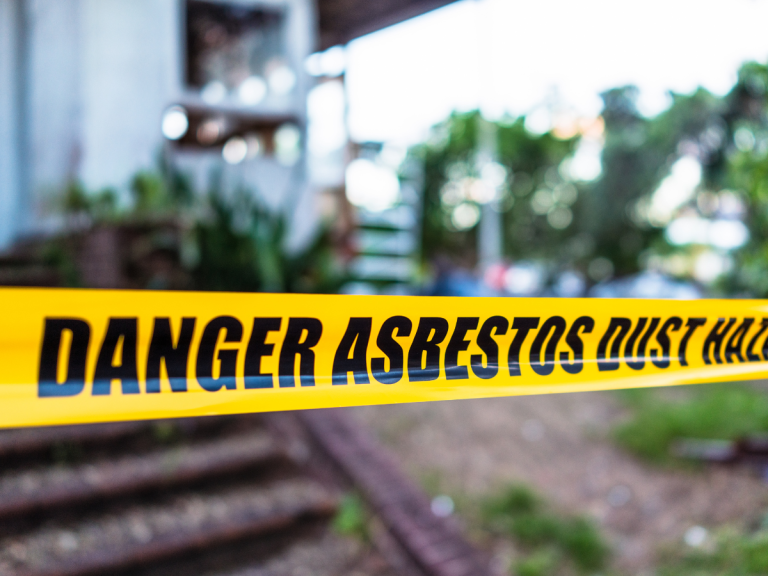
7. Asbestos, Lead Paint & Lead Pipes
If you’re buying an older home (built pre-1990), you may be dealing with materials that were once common but are now considered hazardous, like asbestos or lead. These don’t show up in a typical home inspection and require lab testing.
Important heads-up: if you want to do this kind of testing during your conditional period, make sure your Realtor asks for a longer inspection window, because lab results can take time. And yes, as your Realtor®, I can often spot the signs of things like asbestos-wrapped ductwork or lead drain pipes and recommend next steps.
8. Septic & Well Systems in Rural Properties
These systems are essential in rural living, and unfortunately, they’re often overlooked during a basic inspection. Septic tanks are buried, and without a pump-out and proper inspection (which is done separately), you could be walking into a big, stinky problem. The same goes for wells; water quality and quantity should both be tested by a local specialist.
If you’re buying a home on well and septic, ask your Realtor® to help coordinate these extra inspections, they’re 100% worth it for your peace of mind.
So… What’s the Takeaway?
No inspection is foolproof. But working with the right team can make all the difference. I always recommend local inspectors who use the best tools and tech, and if there’s ever a question or concern, I’ll help you bring in the right pros, whether that’s an HVAC technician, roofer, or structural engineer.
If you’re getting ready to buy and want to feel confident in your due diligence, I’ve got you. Let’s chat about how we can protect your investment—and your peace of mind.



Join The Discussion